People Read: 137
In many cases, yes, but only if the hair follicles are still alive. Damaged or dormant follicles may recover with the right treatment, while completely destroyed (dead) follicles cannot grow hair again. Understanding this difference is the first step in choosing the right solution for hair loss.
At Hair Restoration Seattle, patients are often evaluated based on the condition of their hair follicles to determine whether regrowth is possible or if advanced treatments may be needed. Hair loss can happen for many reasons, including genetics, stress, medical conditions, or scalp health. Some types are temporary and reversible, while others are permanent.
Damaged vs Dead Hair Follicles
What Are Damaged or Dormant Hair Follicles?
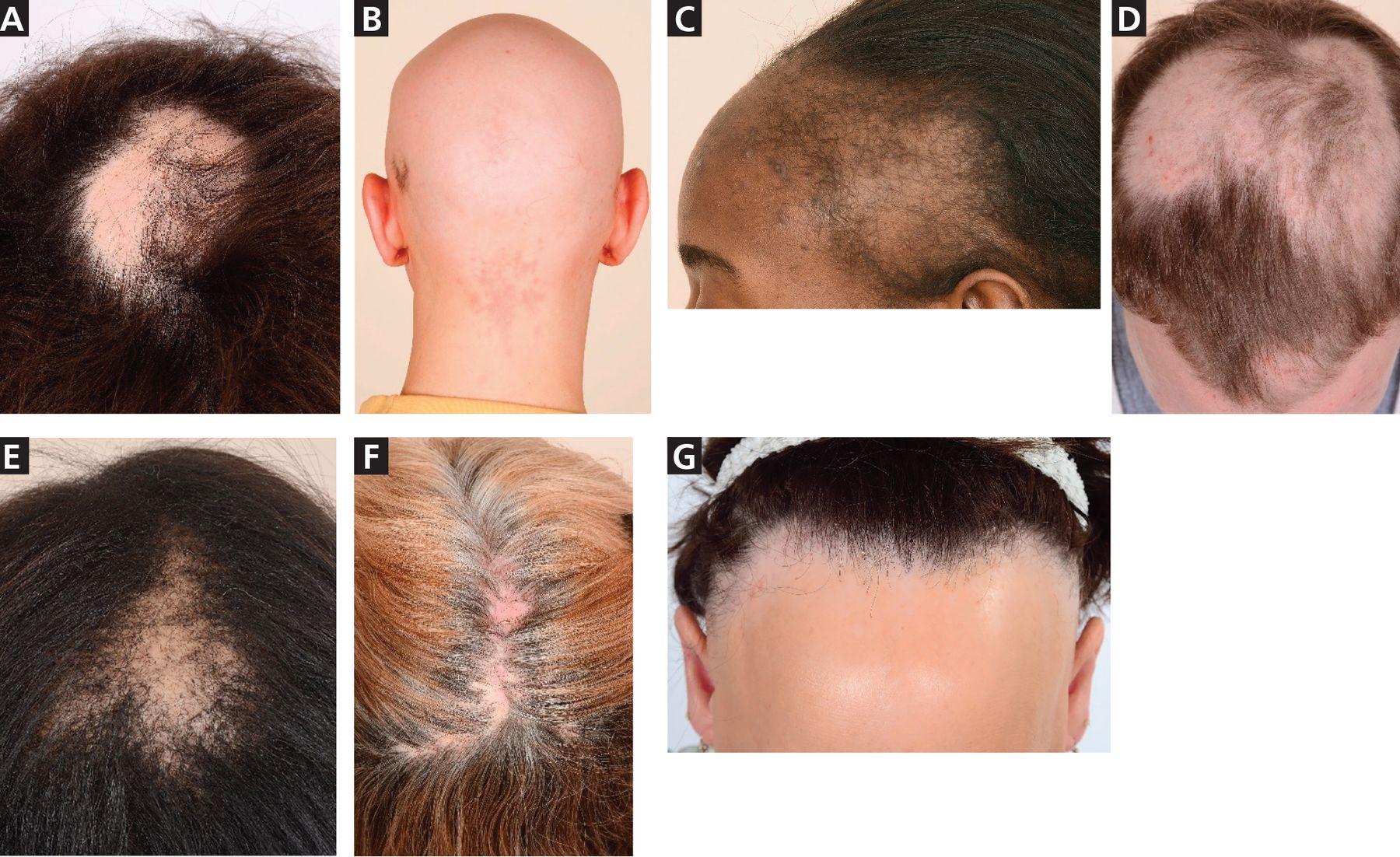 Damaged or dormant follicles are still present in the scalp, but they are not producing strong, visible hair. They may create thinner strands, shorter growth cycles, or slower regrowth. This often happens in early androgenetic alopecia, stress-related shedding, scalp inflammation, or poor scalp health. Because the follicle still exists, treatment may help it return to a more active growth phase.
What Are Dead Hair Follicles?
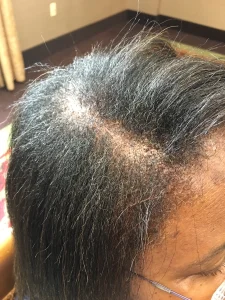 Dead follicles are follicles that have been permanently destroyed. This is more likely in scarring alopecia, long-standing untreated loss, or injury that leaves scar tissue. When scar tissue replaces the follicle, natural regrowth is not possible in that spot. That is why early evaluation is so important.
The simplest takeaway is this: dormant follicles may be reversible, while dead follicles usually require procedural hair restoration.
Dead follicles are follicles that have been permanently destroyed. This is more likely in scarring alopecia, long-standing untreated loss, or injury that leaves scar tissue. When scar tissue replaces the follicle, natural regrowth is not possible in that spot. That is why early evaluation is so important.
The simplest takeaway is this: dormant follicles may be reversible, while dead follicles usually require procedural hair restoration.
What Causes Hair Follicles to Get Damaged?
1. Hormonal Imbalance and DHT
One of the most common causes of progressive thinning is androgenetic alopecia. In this condition, DHT gradually shrinks susceptible follicles, making each new hair finer and shorter. Over time, the follicle can become too miniaturized to produce visible hair.
2. Stress and Poor Lifestyle Habits
Stress can push more hairs into the shedding phase, which is why sudden thinning often follows illness, major stress, or body changes. Temporary shedding does not always mean permanent loss, but ongoing stress, poor nutrition, and lack of sleep can make recovery harder.
3. Heat Styling and Harsh Chemicals
Repeated heat and harsh chemical exposure can damage the scalp environment and weaken the hair shaft. While this does not always destroy the follicle itself, chronic injury can make healthy regrowth more difficult. Cleveland Clinic notes that injured follicles can sometimes repair themselves, but repeated injury and scarring can interfere with growth.
4. Inflammation and Poor Blood Flow
Scalp inflammation can disrupt the normal hair cycle and affect the follicle’s ability to stay in an active growth phase. In scarring alopecias, inflammation may permanently damage follicles if it is not treated early.
5. Genetics
Genetics remains one of the leading causes of hair follicle damage. This is why pattern hair loss often progresses over time without treatment.
Can Damaged Hair Follicles Grow Back Naturally?
Sometimes, yes. If the follicles are still alive and the cause is temporary or recent, they may restart the growth cycle. This is more likely in nonscarring hair loss than in permanent scarring conditions. For example, telogen effluvium often improves once the trigger is addressed, and hair commonly regrows within months.
That said, natural recovery depends on the cause. A dormant follicle is not the same as a destroyed follicle. This is why the question “can dead hair follicles grow back” has a different answer than “can damaged follicles recover.” Dead follicles do not grow back naturally. Damaged follicles sometimes can.
How to Repair Damaged Hair Follicles
Medical Treatments
Evidence-based options for hair regrowth treatments often include minoxidil and finasteride for appropriate candidates. Reviews of androgenetic alopecia treatments show that minoxidil can help prolong the growth phase, while finasteride helps reduce DHT-related miniaturization. PRP is also used to support hair density in selected patients.
Advanced Treatments
Microneedling and low-level laser therapy are often used as part of a broader treatment plan. Recent reviews suggest that microneedling, especially when combined with medical therapy, may improve outcomes in some patients with androgenetic alopecia.
Lifestyle Changes
Scalp care, stress control, and correcting nutritional deficiencies can support a healthier growth environment. These steps may not reverse every type of loss, but they can help protect living follicles and improve response to treatment.
When Hair Follicles Cannot Be Restored
Some types of hair loss do not respond to regrowth therapies. Smooth long-term bald areas, scarring alopecia, and follicles destroyed by scar tissue usually cannot be revived. Current medicine may help stop further damage, but it cannot naturally create brand-new follicles in those areas.
Best Solution for Dead Hair Follicles
When follicles are permanently gone, hair transplant procedures often become the best long-term option. A hair transplant moves healthy follicles from a donor area to thinning or bald areas. Because the transplanted follicles are real, living follicles, the result can look natural and last for years. Hair Restoration Seattle states that Dr. Sajan performs both FUT and FUE, customizing the method to the patient and examining donor viability during consultation.
Why Choose Hair Restoration Seattle & How It Helps?
Patients looking for hair restoration in Seattle often want more than a general answer. They want to know what actually fits their stage of hair loss. At Hair Restoration Seattle, the clinic highlights advanced hair transplant techniques including FUT and FUE, as well as non-surgical hair restoration options discussed during consultation. The site also notes that treatment planning includes review of the hair loss pattern, medical history, lifestyle, and donor area.
This personalized approach matters because a patient with dormant thinning may benefit from medical therapy or PRP, while a patient with permanently lost follicles may need transplantation for visible improvement.
Hair Restoration Before and After Results and Timeline
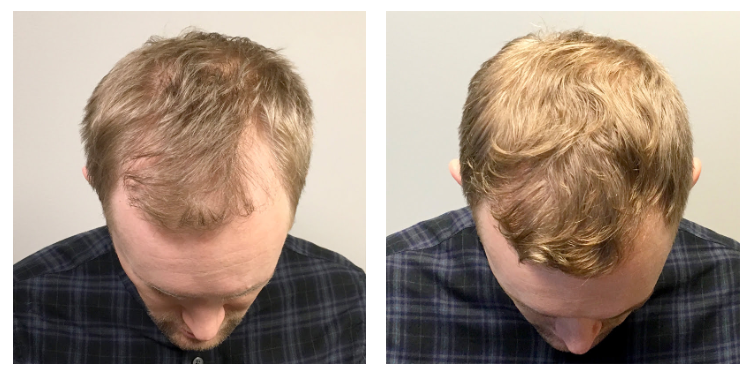
Hair restoration does not happen overnight. Cleveland Clinic notes that damaged follicles can take significant time to recover, and clinical guidance on hair growth treatments shows that visible improvement often begins after several weeks to months depending on the treatment used. Hair Restoration Seattle also features before and after results for FUT and FUE patients, showing that density changes develop over time rather than instantly.
In general, early growth may appear around 3 to 6 months, while fuller cosmetic improvement often takes 6 to 12 months. Recovery time depends on the severity of follicle damage, the underlying diagnosis, and the treatment plan.
Conclusion
So, can damaged hair follicles be restored? In many cases, yes, but timing matters. Early thinning, dormant follicles, and nonscarring hair loss often respond better than long-standing or scarred bald areas. For patients dealing with permanent loss, expert-guided solutions such as hair restoration Seattle can provide a path toward natural-looking improvement. To explore whether follicles are still salvageable or whether a transplant is the better option, schedule a consultation with Hair Restoration Seattle
and Dr. Javad Sajan to discuss a treatment plan based on the real cause of the hair loss.
FAQs
Can dead hair follicles be brought back to life?
No. When a follicle is permanently destroyed, especially by scarring, it cannot be revived.
How can the difference between dormant vs dead hair follicles be recognized?
Dormant follicles may still produce thin or weak hair. Dead follicles are more likely in smooth bald or scarred areas where the follicle has been destroyed. A professional scalp evaluation is the most accurate way to tell.
Is hair loss reversible?
Sometimes. Temporary and nonscarring forms of hair loss may improve, but permanent scarring loss usually does not regrow naturally.
What is the best treatment for hair regrowth?
That depends on the cause. Common options include minoxidil, finasteride, PRP, microneedling, laser therapy, and hair transplantation for permanent follicle loss.
ABOUT THE AUTHOR
Dr. Sajan
Dr. Javad Sajan is an expert hair restoration specialist who offers many techniques and methods for in-depth care. With decades of experience and training in hair restoration, Dr. Sajan is known for his incredible results with hair transplants and other unique hair treatments. Dr. Sajan is a leading hair restoration provider and works to create ideal results for every patient.