Hair loss can affect appearance, confidence, and daily comfort with styling. For many men and women in Seattle, thinning hair starts gradually and becomes more noticeable over time, whether along the hairline, crown, or part line. A strong hair restoration plan begins with identifying the cause of hair loss, assessing donor hair, and choosing the right treatment based on the stage of loss and long-term goals.
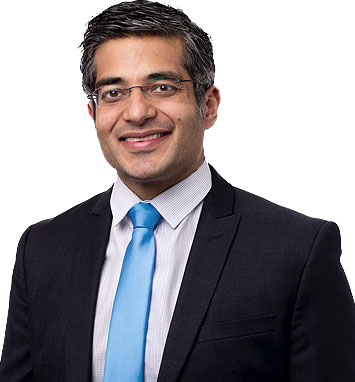
At Hair Restoration Seattle, patients can explore both surgical and non-surgical options designed to restore density and create natural-looking results. The practice is led by Dr. Javad Sajan, a Seattle based renowned plastic surgeon offers advanced hair restoration techniques, individualized planning, and minimally invasive surgical care. He offers both FUE hair transplant Seattle and FUT hair transplant Seattle procedures, with treatment customized rather than approached as a one-size-fits-all solution.
What Is Hair Restoration?
Hair restoration is the process of improving hair density in areas affected by thinning or baldness. It can include surgical methods, such as hair transplantation, and non-surgical methods, such as PRP, laser therapy, medications, or cosmetic hair systems. Surgical options move healthy follicles from a donor area, usually the back or sides of the scalp, into areas of loss.
Non-surgical options focus on slowing shedding, improving scalp health, or creating the appearance of fuller hair. A complete Seattle hair restoration plan often combines diagnosis, realistic planning, and treatment selection based on the cause of hair loss and the amount of viable donor hair available.
Why Hair Loss Happens in Seattle?
Hair loss usually has more than one possible cause. Genetics remain one of the most common reasons, especially in male and female pattern hair loss. Hormonal shifts, thyroid issues, autoimmune conditions, stress, rapid weight loss, medications, and poor nutrition can also play a role. Stress-related shedding is especially important because it can make hair loss seem sudden even when the follicles are not permanently damaged. Seattle patients may also notice that weather changes, indoor heating, scalp dryness, and lifestyle stress can make thinning seem more visible, though climate itself is rarely the main cause. This is why the best hair restoration Seattle strategy starts with identifying whether the issue is pattern baldness, temporary shedding, inflammation, or another medical condition.
Types of Hair Restoration Treatments in Seattle
FUE Hair Transplant
A FUE hair transplant Seattle procedure removes individual follicular units with a small punch tool and places them into thinning areas. On the Hair Restoration Seattle site, FUE is presented as a less invasive option with faster recovery, little downtime, no linear scar, and natural-looking results. It is often a strong fit for patients with mild to moderate hair loss who want styling flexibility and prefer to avoid a strip scar. The site notes that final results can take around 12 to 18 months, with many patients seeing new growth start around three to four months.
FUT Hair Transplant
A FUT hair transplant Seattle procedure removes a strip of donor hair, which is then divided into grafts and transplanted into areas of loss. FUT may be better for patients who need a larger number of grafts, more coverage, or lower per-graft pricing. Hair Restoration Seattle describes FUT as useful for more advanced hair loss and notes that it often produces a higher graft count than FUE. It does leave a linear scar, but the scar is usually hidden within the hair.
Non-Surgical Hair Restoration
Non-surgical options can include PRP therapy, low-level laser therapy, medications, and hair systems. Cleveland Clinic notes that PRP is used to treat thinning hair by injecting platelet-rich plasma into the scalp, and Mayo Clinic lists medical evaluation and treatment as important when hair loss may be reversible or slowed. Non-surgical treatment can be helpful for early thinning, for patients who are not transplant candidates, or as support before or after hair transplant Seattle surgery.
Hair Restoration Treatment Comparison
| Treatment | Best For | Scarring | Recovery | Results Timeline | Notes |
| FUE | Mild to moderate thinning, shorter hairstyles | Minimal | Faster | New growth often starts at 3–4 months, full results around 12–18 months | No linear scar |
| FUT | Larger areas of loss, higher graft needs | Linear scar | Moderate | Gradual growth over months, final result can take up to a year or longer | More grafts, lower cost per graft |
| PRP / Non-surgical | Early thinning, maintenance, combination care | None | Minimal | Varies by treatment plan | Best for selected candidates, not a full replacement for transplant in advanced loss |
Hair Restoration Before and After Results
Hair restoration results develop gradually. In the early weeks after surgery, temporary shedding is expected. That does not mean the transplant failed. It usually reflects the normal growth cycle of transplanted follicles. New growth often begins within a few months, with visible improvement continuing through month six and maturing further through month 12 and sometimes beyond. The best hair restoration Seattle outcomes look natural, match the patient’s facial proportions, and use a realistic hairline design rather than an overly dense or artificial pattern. Hair Restoration Seattle also emphasizes real patient before-and-after results and individualized planning.
What is Hair Restoration Cost in Seattle?
Hair restoration cost Seattle depends on the number of grafts, the technique used, and the complexity of the case. At the Hair Restoration Seattle the cost of FUT starts at $4.50 per graft and FUE at $5.00 per graft. The total price rises with the number of grafts required, which is why a consultation matters. Larger treatment zones, revision work, hairline refinement, and combined treatment planning can all affect cost. Patients comparing clinics should not look at price alone. Surgical experience, graft handling, planning, and natural result quality matter just as much as the initial quote.
Who Is a Good Candidate?
The right candidate for hair restoration usually has a stable donor area and a treatment goal that matches the current stage of hair loss.
- Active hair thinning rather than complete baldness
- Enough healthy donor hair at the back or sides of the scalp
- Good overall health for a procedure and recovery
- Realistic expectations about density and timeline
- Mild to moderate hair loss for FUE in many cases
- More advanced hair loss or higher graft needs for FUT
Hair Transplant Recovery Timeline
Day 1–10: Mild tenderness, swelling, and visible healing in the donor and recipient areas are common.
Week 2–4: Scabbing resolves, and some transplanted hairs may shed. This phase is expected.
Month 3–6: Early regrowth usually becomes more visible. Density starts to improve.
Month 9–12 and beyond: Hair becomes fuller, longer, and more natural in appearance. Some patients continue maturing up to 18 months after FUE. Hair Restoration Seattle also notes that everyday life often resumes within about two weeks, while exercise may need to wait longer based on the surgeon’s instructions.
Risks and Safety of Hair Restoration
Hair restoration is generally considered safe when performed by a qualified surgeon, but it still carries risks. Hair Restoration Seattle lists possible risks such as infection, swelling, scarring, and prolonged discomfort, though the site describes both FUT and FUE as low-risk procedures overall. Temporary shedding after surgery is also common and should not be confused with treatment failure. Good candidate selection, proper aftercare, and realistic planning all help improve safety and outcomes.
How to Choose Right Hair Restoration Clinic in Seattle
Patients searching for the best hair restoration Seattle provider should look at more than advertising. Important factors include surgeon experience, a strong gallery of before-and-after images, clear explanation of FUE versus FUT, realistic consultations, modern technology, and detailed follow-up care. Reviews and transparent pricing also matter. At Hair Restoration Seattle, the site highlights individualized planning, advanced techniques, real patient examples, and both FUT and FUE options under one practice.
Why Choose Hair Restoration Seattle?
Hair Restoration Seattle positions itself around customized treatment, advanced technology, and natural results. The website emphasizes that hair transplant surgery is not cookie cutter and must be tailored to the patient. It also highlights Dr. Sajan’s use of modern tools, minimally invasive approaches, and both major transplant methods so treatment can be matched to the patient rather than forced into one technique. For Seattle-area patients who want a focused Seattle hair restoration clinic, that combination of consultation, surgical planning, and technique flexibility is a meaningful advantage.
Conclusion
A strong hair restoration Seattle plan should be built around diagnosis, realistic expectations, and a treatment method that fits the stage of hair loss. For patients comparing FUE hair transplant Seattle, FUT hair transplant Seattle, and non-surgical options, the most important step is a careful evaluation of donor hair, goals, and long-term maintenance. Hair Restoration Seattle presents both surgical techniques, transparent starting prices, and individualized treatment planning under Dr. Javad Sajan. For patients ready to explore hair transplant Seattle options and get a personalized quote, the next step is to schedule a consultation with Hair Restoration Seattle and discuss the most appropriate path forward.
FAQs
Does a hair transplant last forever?
Transplanted follicles are generally permanent because they keep the characteristics of the donor area. However, non-transplanted hair can still thin over time.
Is a hair transplant painful?
Hair Restoration Seattle states that FUT and FUE are usually performed under local anesthesia, so pain during surgery is limited. Mild soreness afterward is common.
When will results show?
Early growth often starts around three to four months, while fuller results usually continue developing through 12 months and sometimes longer.
Can women get hair restoration?
Yes. The website notes that women can be candidates for both consultation and transplant planning, depending on the pattern of loss and donor area.
How much does hair restoration cost in Seattle?
At Hair Restoration Seattle, FUT starts at $4.50 per graft and FUE starts at $5.00 per graft. Total cost depends on graft count and treatment goals.
Is FUE or FUT better?
Neither is automatically better. FUE may suit patients who want minimal scarring and faster recovery, while FUT may suit patients who need more grafts or broader coverage.
Is hair restoration safe?
Hair restoration is generally safe when performed by an experienced surgeon, though risks like swelling, infection, and scarring still exist.